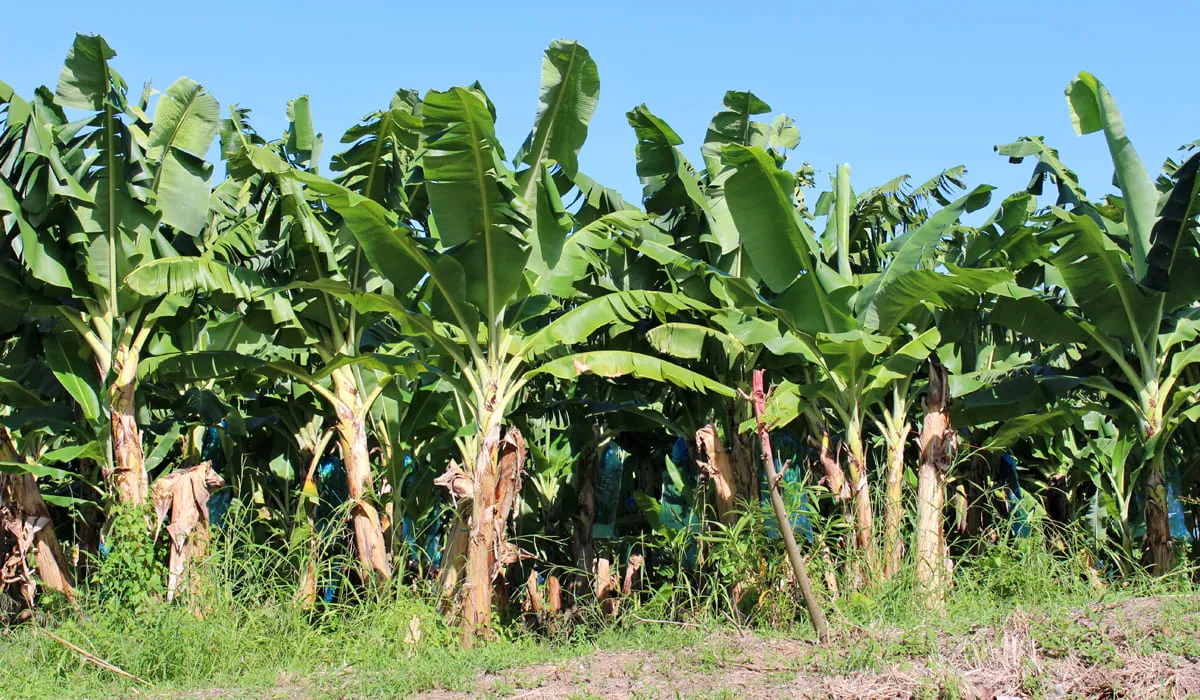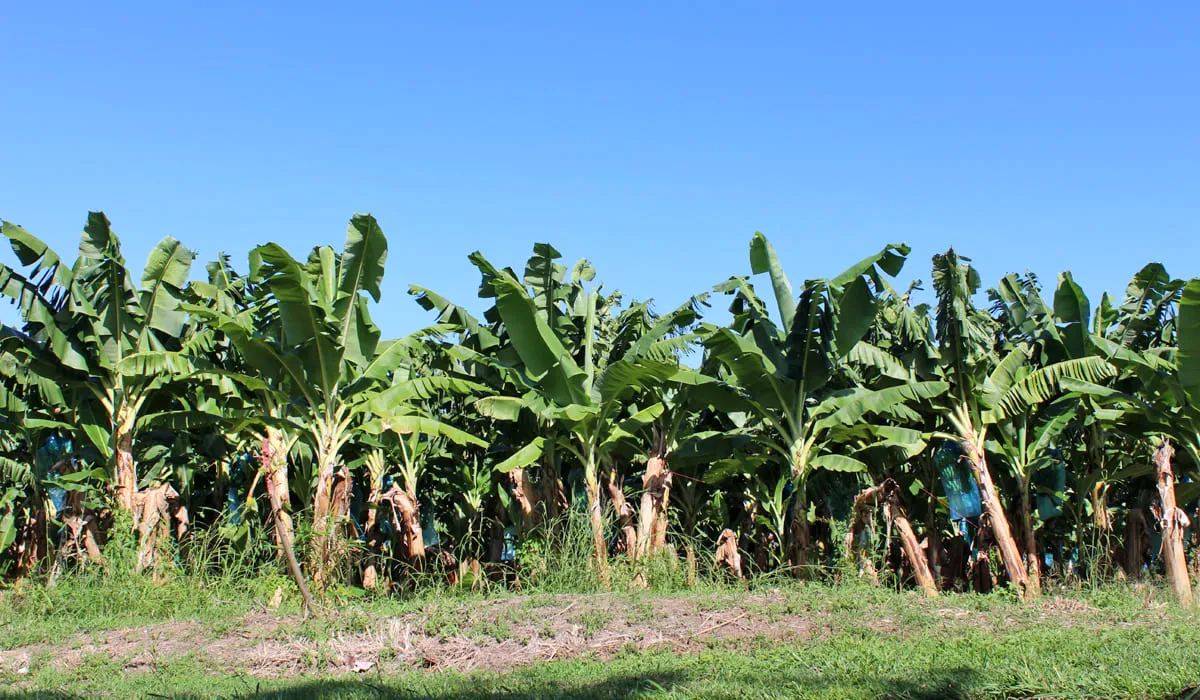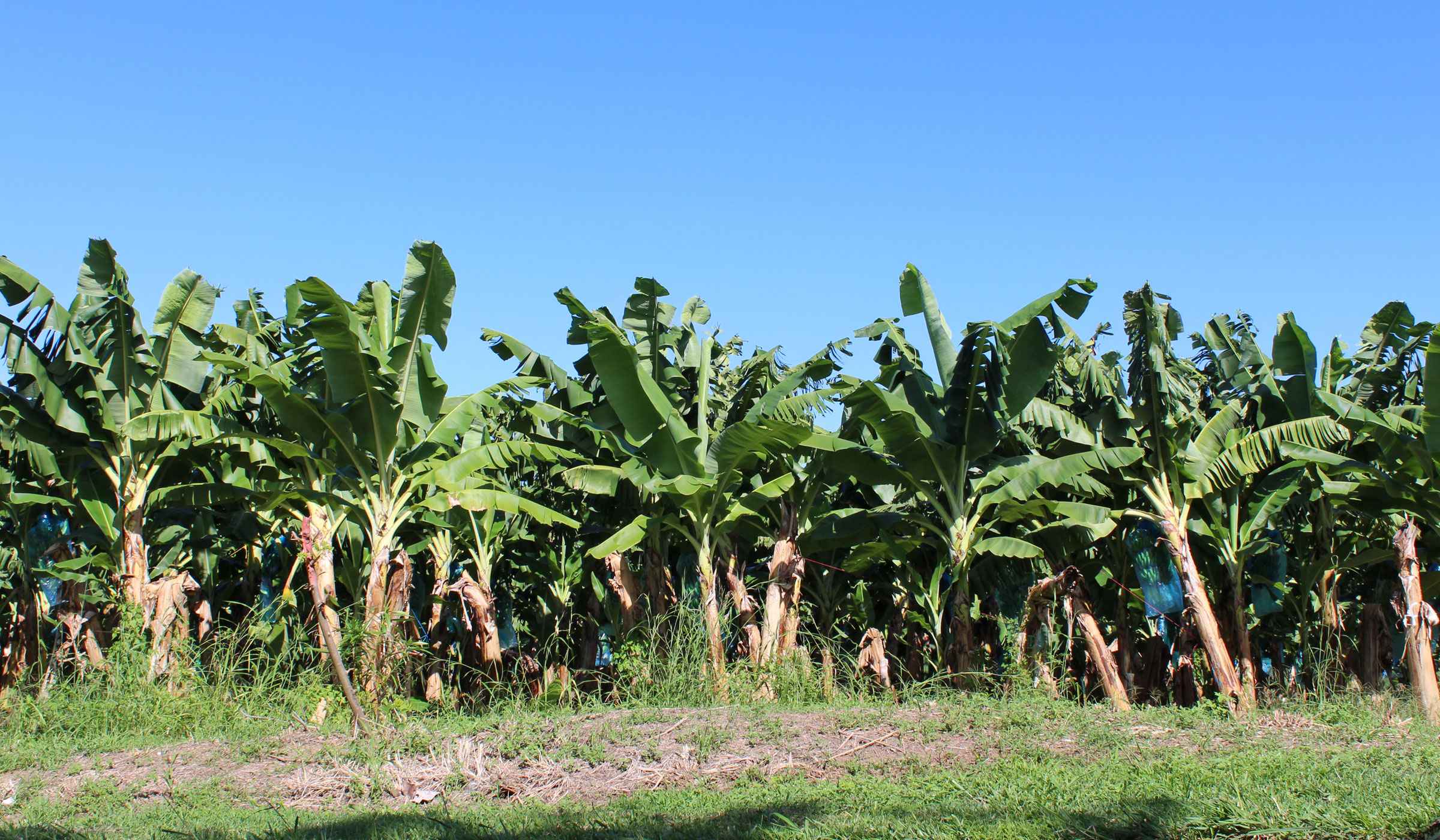
Habitation Chalvet, also known as Habitation La Capot, was a sugar estate in the 18th century that had to reinvent itself following the sugar crisis. Before that, it was a plantation where cacao was cultivated. The remains of several buildings—such as a chimney, sugar mill, and purging house—attest to the site's once-thriving industrial activity.
On this authentic site, now repurposed as a place of leisure, a “Barbette battery” was installed around 1711 to protect the dock and storage facilities. After periods of yam cultivation and greenhouse horticulture, the agricultural activity now focuses mainly on bananas, along with pineapples and sugarcane. In addition to banana production, the estate also features a Creole garden.
Visitors can also explore medicinal plant gardens. Above all, Habitation Chalvet is remembered by locals as the scene of the tragic events of February 1974.
In February 1974, field workers went on strike to demand a five-franc increase in their daily wage from the landowners—known as “Békés,” wealthy descendants of former colonists who have long held agricultural lands in Martinique and still own many of the island’s businesses.
The landowners refused. As days passed, tensions escalated due to the lack of negotiations. The Békés called in the police, followed by armed forces. The latter opened fire on the strikers, killing two agricultural workers: Rénor Ilmany (55 years old) and Georges Marie-Louise (19 years old). Many others were injured.
This event remains deeply rooted in Martinique’s collective memory. It inspired a song by artist Kolo Barst titled Févriyé 74. Each year, the local tourism office organizes a commemoration at the site.