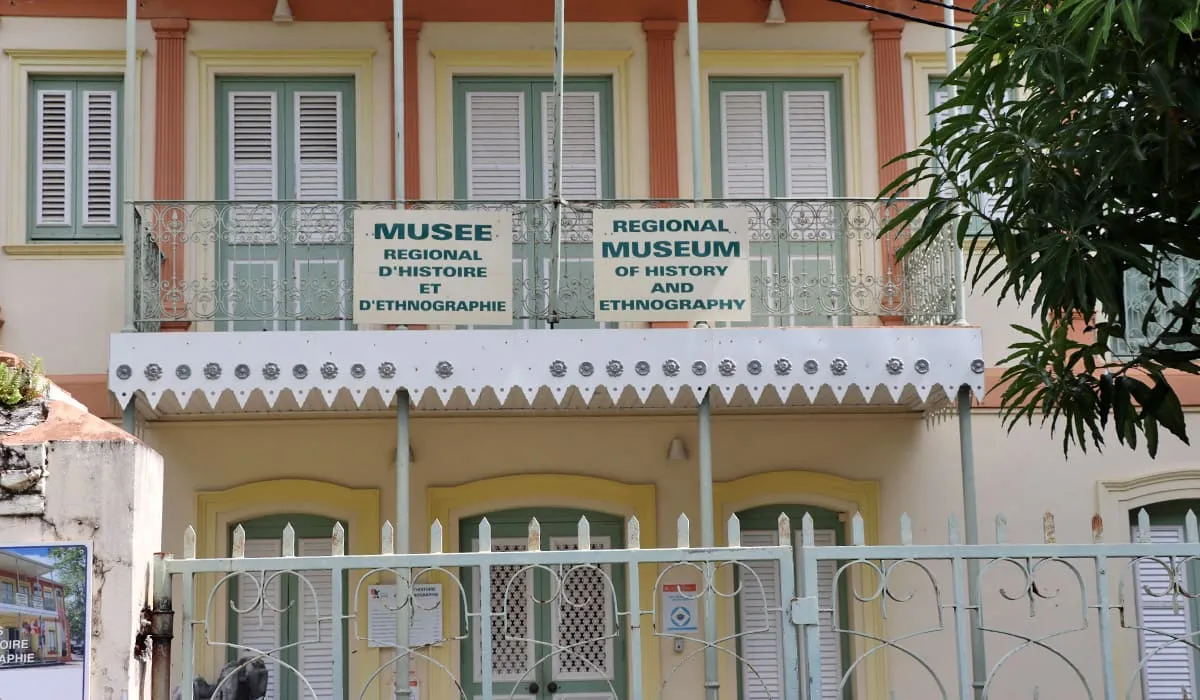
History and Ethnography Museum

Faced with the lack of data on the history of Martinique, the Conseil Régional of Martinique initiated the idea to begin to gather data on the history of the island in one place. On June 11th, 1985 the Museum of History and Ethnography was born.

This is the Bureau du Patrimoine (Heritage Office) that was assigned the task of collecting data to expose the museum, to educate the local population on its historic and ethnographic heritage through exhibitions and be a place of research and documentation for researchers. 

Once this work is finished, the Conseil Régional acquired in 1995 of a former military residence built in 1887 in a park of 2500 square meters on the edge of downtown.

In June 1999, the first tranche of the Museum of History and Ethnography, restored and furnished, opened its doors to the public.

Inside, it has a living room, a bathroom, a bedroom with animated wax figures in costume who recreate the interior of the bourgeois era. Photographs, paintings and prints and gallery of dolls represent creole manners. The room on the ground floor is the venue for exhibitions events.
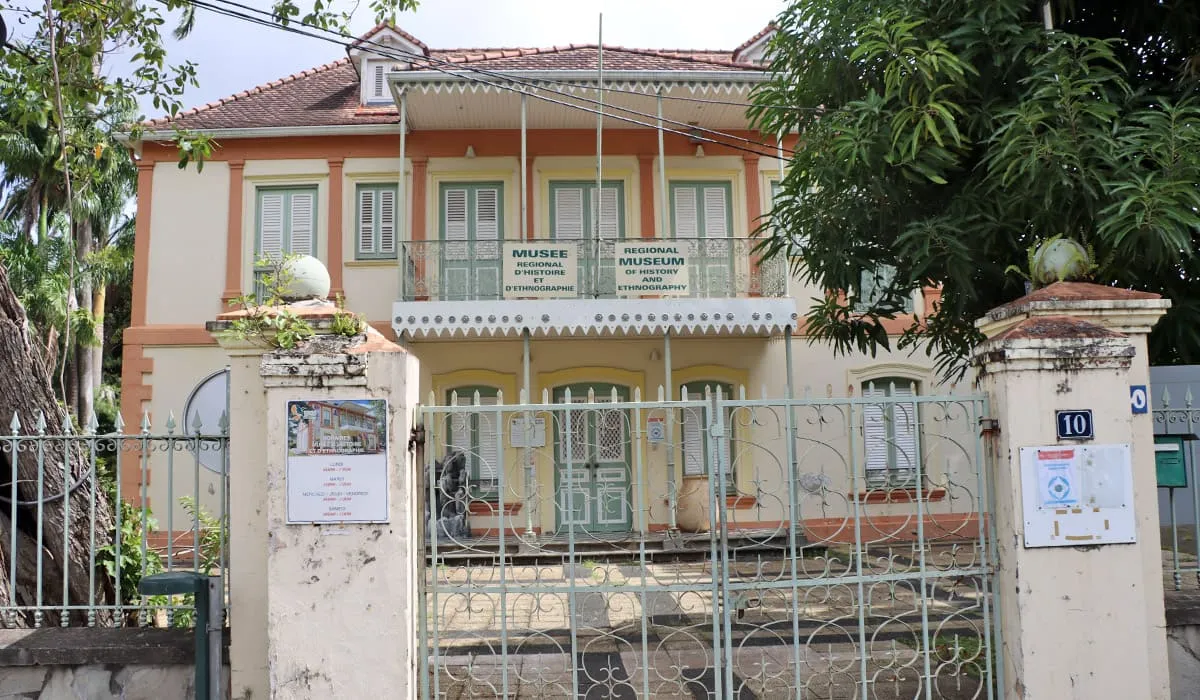
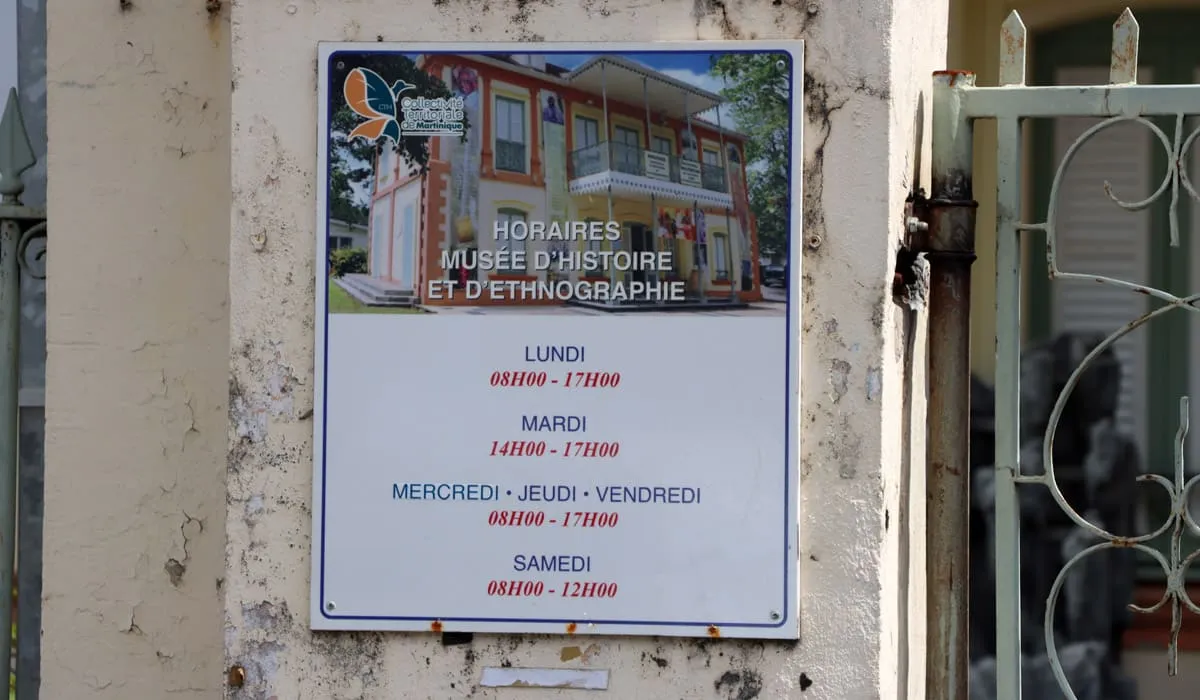
Photo gallery
Museum of History and Ethnography

Habitation Neisson

Unlike other distilleries and rum producers in Martinique, which have more than a century of history, the Neisson distillery was founded in the 20th century. In 1932, brothers Adrien and Jean Neisson created Habitation Neisson on the grounds of La Thieubert, a former plantation in the town of Carbet. Adrien built his small distillery with his own hands, salvaging a boiler dating back to 1830 and bringing new mills from France.

Although small in size, the Neisson Distillery already stood out from its competitors at the time due to the quality of its rum, which it distributed locally. With the help of his brother, Jean Neisson, a chemical engineer, they began developing the square bottle known as “Zépol Karé” and established a distribution network in Paris.

Since its creation in 1932, Distillerie Neisson, one of Martinique's last family-owned distilleries, has preserved the ingredients of high-quality rum in the purest Martinique tradition.

The distillery is now run by the daughter and grandson of Hildevert-Pamphille Neisson, the distillery's founder.

Photo gallery
Entrance to the distillery
Distillery seen from the road

Maison de la Canne

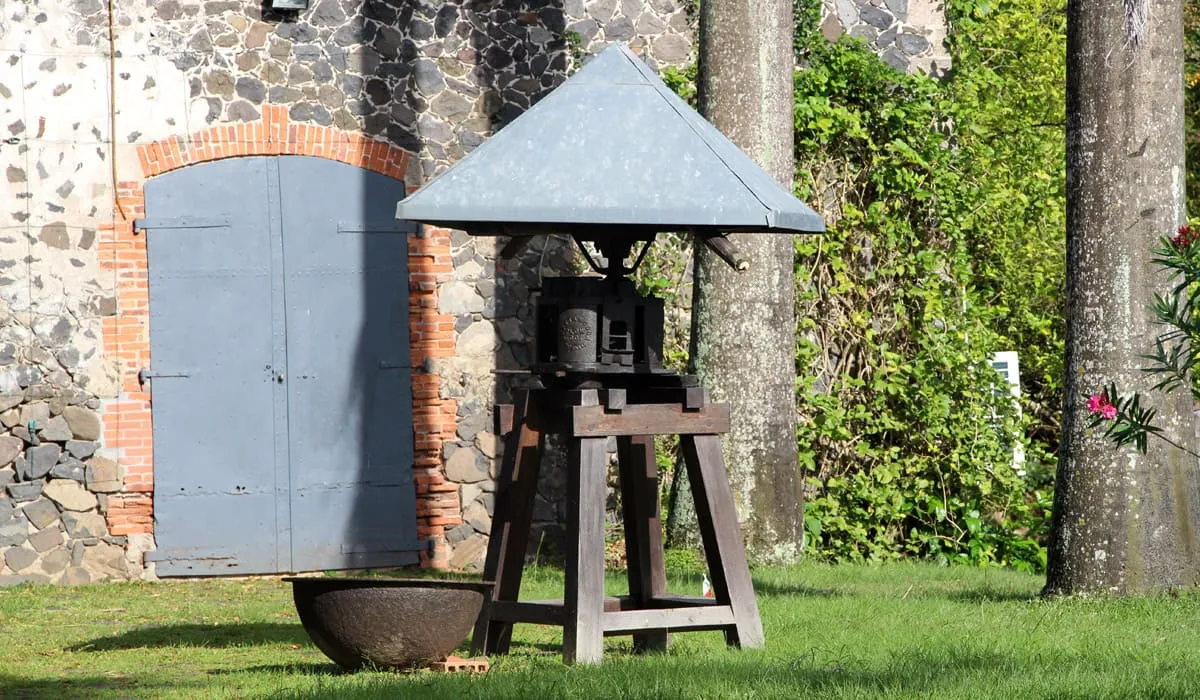
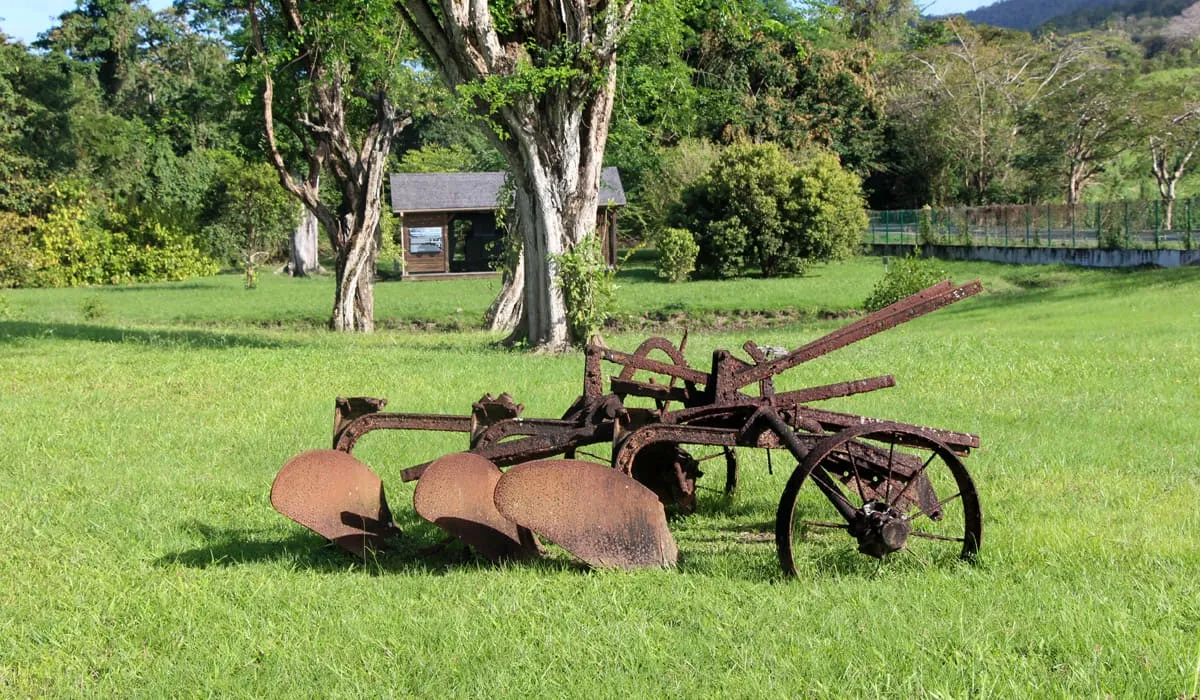
The Maison de la Canne (House of Sugarcane), formerly known as the Sugarcane Museum, is housed in a former distillery. It traces the evolution of sugarcane over the past three centuries. Located in the Vatable district of Trois-Îlets, the museum spans more than two hectares.

The Maison de la Canne is the result of a research and archival project on Martinique’s sugar industry heritage, led by the Association Martiniquaise de la Maison de la Canne (AMMCA), with major contributions from teachers at Lycée Schoelcher.

The association aimed to preserve traces of Martinique’s sugar-producing past, which had suffered significant degradation of its plantation estates and the disappearance of central factories.

During your visit, you’ll learn more about the arrival of sugarcane in Martinique and its development through to its modern-day uses. When sugarcane was introduced to the French colonies, the entire economic and agricultural life revolved around this plant, which produced the sugar so prized on the tables of European nobility. Today, it remains a key crop, especially for the production of world-renowned rums.

Since 1991, the Regional Council—which supported the project—has been responsible for managing the museum, which has since attracted a large number of visitors.

Photo gallery
Maison de la Canne
Maison de la Canne
Maison de la Canne
Maison de la Canne
Maison de la Canne
Maison de la Canne
Maison de la Canne
Maison de la Canne
Little train at the Maison de la Canne
Maison de la Canne
Maison de la Canne
Maison de la Canne
Maison de la Canne
Maison de la Canne
Maison de la Canne
Maison de la Canne
Maison de la Canne

Habitation Clément

Habitation Clement is THE place to visit absolutely from Martinique. Throughout its history, what it represents for Martinique's past and present, this symbolic place will immerse you in the heart of the history of Martinique. Habitation Clement is a former sugar plantation. In 1996, it was classified as a historical monument. The property, on an area of ​​approximately 300 hectares, is called Domaine de l'Acajou.

Originally called "Habitation Acajou" by its first owners, Louis Hodebourg Desbrosses and Simon de Bassigny, Habitation housing was bought in 1887 by the Mayor of François, Homere Clement. Homere Clement was a descendant of a freed slave. First, he cultivates sugar cane, which he sells to the factory of François. Then, in 1917, following an order, he was allowed to build a small distillery.

When he died in 1923, his son Charles, an engineer who graduated from the École Centrale des Arts et Manufactures in Paris and the Institut Pasteur, took over the business and worked to improve the quality (fermentation and distillation) of agricultural rums. He created the Acajou brand in the 1930s and Clément in the 1940s.

The company prospered until the 1980s before experiencing economic difficulties. It was bought by the Bernard Hayot Group in 1986. It was then that it definitively took the name “Habitation Clément” in tribute to the family that had made it prosper.

In 1991, following the Gulf War, it was a meeting place of prestige between the President of the French Republic at the time, François Mitterrand, and the President of the United States, George Bush.

Today, it is divided into three parts:

  • the former Clément rum distillery, which is now a museum,
  • the Clément rum aging cellars, which are still in use, and
  • residential buildings, some of which are open to visitors.

You can also see many tropical plants and trees over an area of ​​17 hectares. The tour is free but paid and is done through audioguides freely distributed at the beginning of the visit.

Photo gallery
Habitation Clément
Habitation Clément
Oak barrels at Habitation Clément
Habitation Clément Pond
Little train at Habitation Clément
Habitation Clément Container
Sugar cane field at Habitation Clément
Palm trees at Habitation Clément
Reception desk at Habitation Clément