History
Lettuce, whose scientific name is Lactuca sativa, is a genus of annual plants in the Asteraceae family, some species of which are cultivated for their tender leaves eaten as green salad. Lettuce was first cultivated by the Egyptians several centuries before Christ.
Lettuce leaves were used to produce oil. Later, the plant spread and reached the gardens of the Greeks and Romans. It appears in medieval writings as a medicinal plant.
From the 16th to the 18th century, many varieties were developed in Europe. Europeans introduced it to the Americas and the Caribbean during colonization.
Varieties
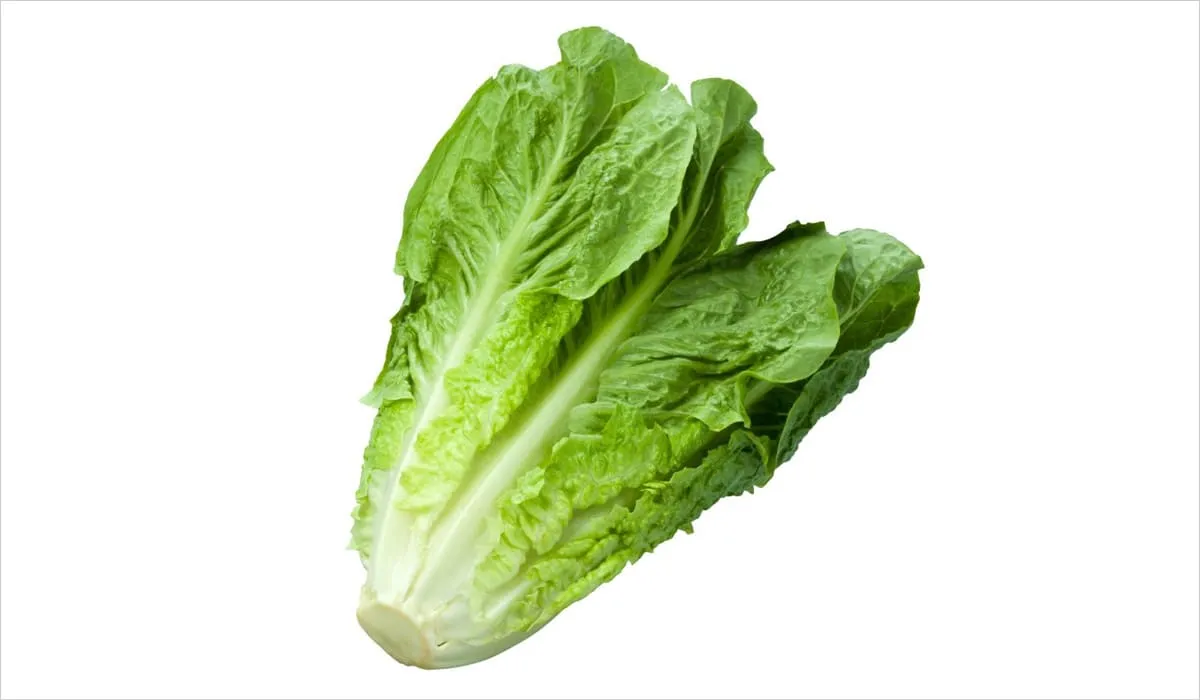
There are more than one hundred species of lettuce, but only three are cultivated in Martinique:
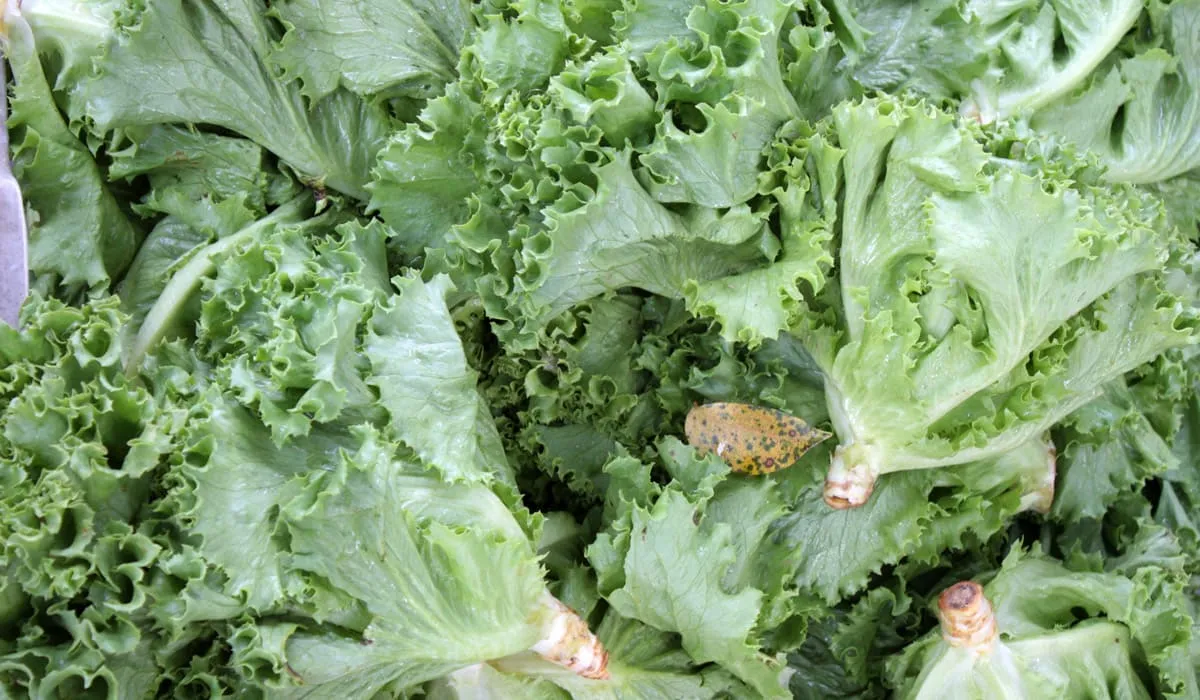
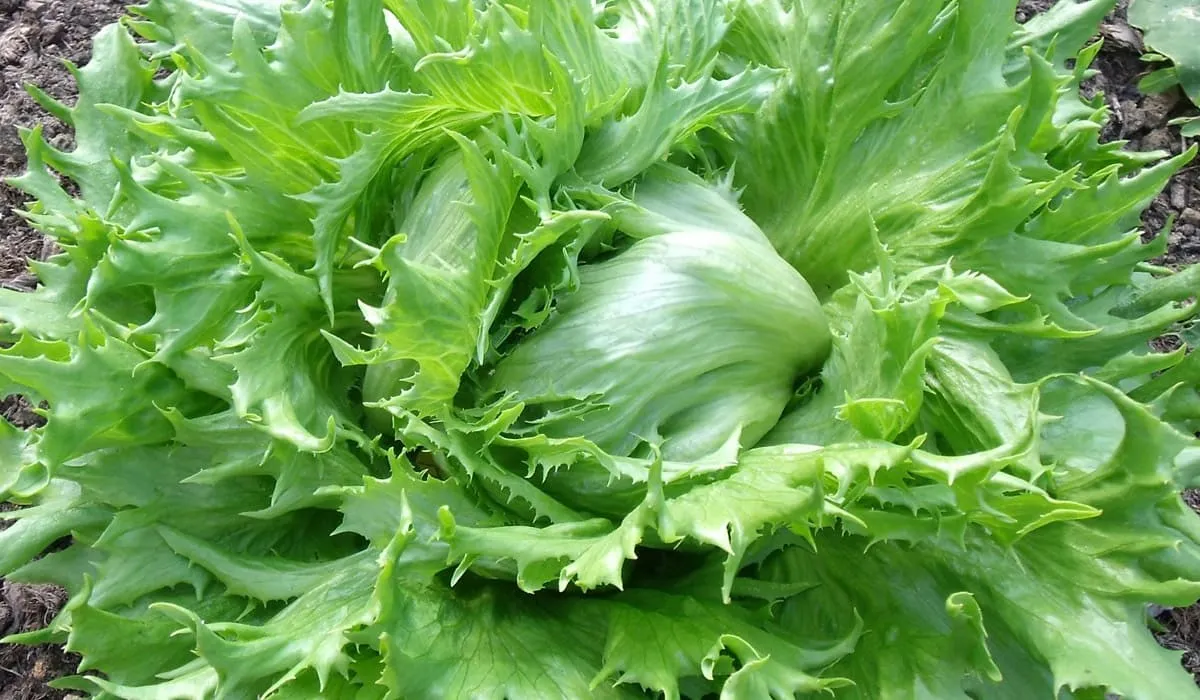
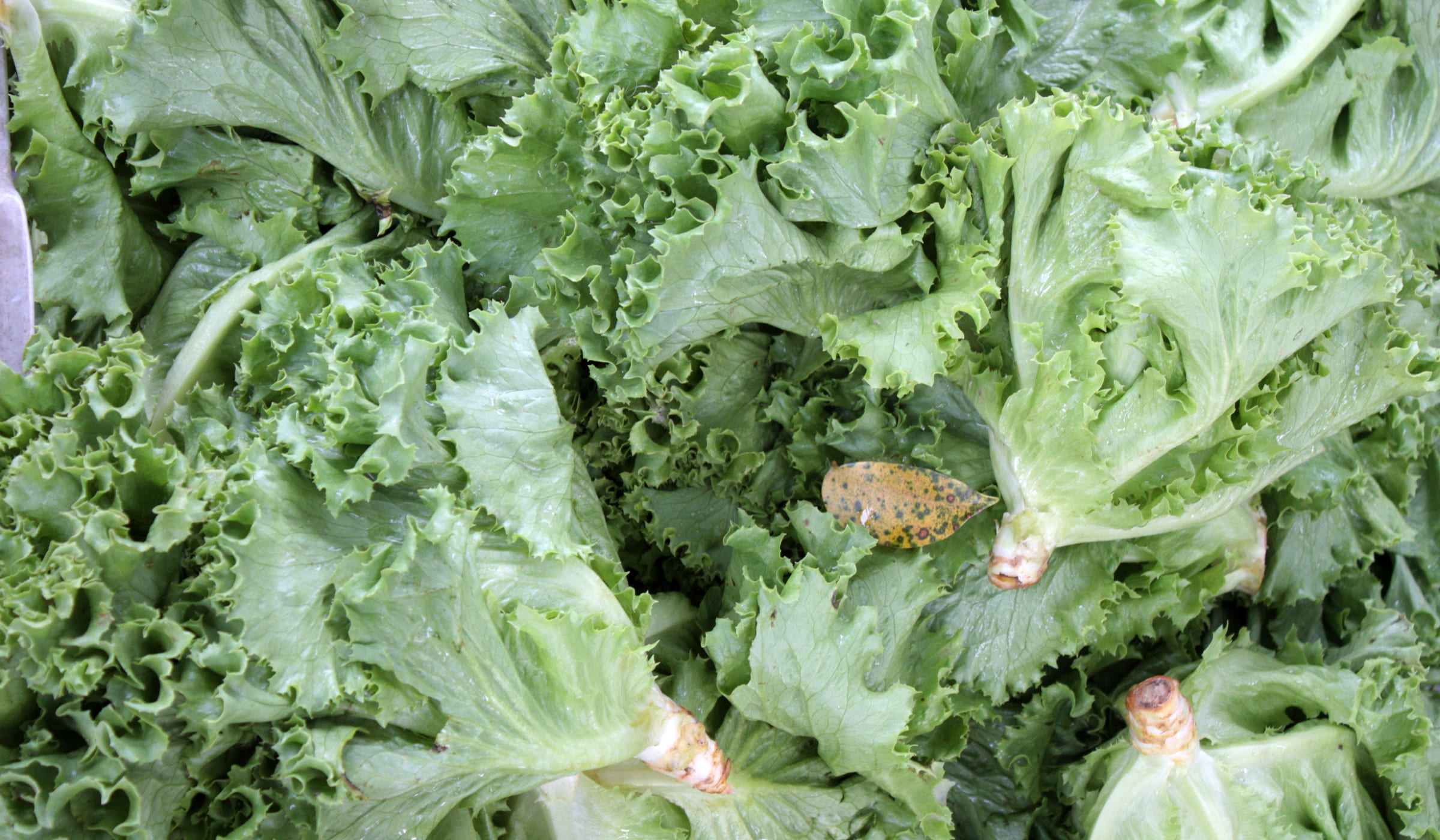
- Batavia lettuce (see photo opposite): Crisp and tender, with a large light‑green or yellow‑green head, crinkled and with serrated edges, and a slightly sweet taste. In the 19th century, it was considered a summer lettuce and, for some, a mediocre salad.
- Butterhead lettuce (or “butter lettuce”): With smooth and tender leaves, butterhead or “headed” lettuce remains the most widespread in Europe. Its leaves have pinnate veins and are layered around a central axis, the heart.
- Cut‑leaf lettuce: Unlike other lettuces, it does not form a head but produces leaves that are more or less deeply cut depending on the variety. It can be grown both in open ground and in containers for balcony gardens.
The most widely cultivated species in the world is Lactuca sativa.
Lettuce requires well‑loosened soil rich in calcium and organic matter. It is sensitive to high temperatures and irregular watering. It is prone to tip burn (leaf‑edge scorch) and cercospora leaf spot. During rainy periods, it is preferable to grow it under a greenhouse.
It can be cultivated year‑round. Only 4 to 5 days after sowing, 4 to 5 leaves can already be seen. Harvesting takes place 21 to 35 days after planting, depending on the variety and growing season.
Medicinal Properties
Very rich in water (95% of its composition), lettuce absorbs a large number of vitamins and minerals from the soil. Its vitamins, mainly from the B group, contribute to the formation of cellular genetic material and the production of red blood cells.
Folic acid is particularly beneficial for pregnant women. Just 100 grams of lettuce provide 75% of the minimum recommended daily intake.
It is also one of the vegetables richest in organic silica, a mineral that plays an essential role in the assimilation and formation of calcium, as well as in protecting the cardiovascular system, preventing osteoporosis, and acting as an antidote to aluminum absorbed by the body.
Lettuce is also very rich in cellulose and chlorophyll. Chlorophyll has strong antiseptic properties in the body and helps cleanse and nourish the blood system.
Lettuce has other virtues, including increasing lactation in breastfeeding mothers.
Uses
As in the rest of the world, lettuce is mainly eaten as a salad.