History
Originally from the northern part of South America, particularly a region stretching from Colombia to Guyana, the quenepa tree arrived in the Caribbean at the beginning of the 19th century. The quenepa, whose scientific name is Melicoccus bijugatus, later naturalized across a wide intertropical American zone that includes Central America, Colombia, Venezuela, Suriname, and the Caribbean.
Varieties
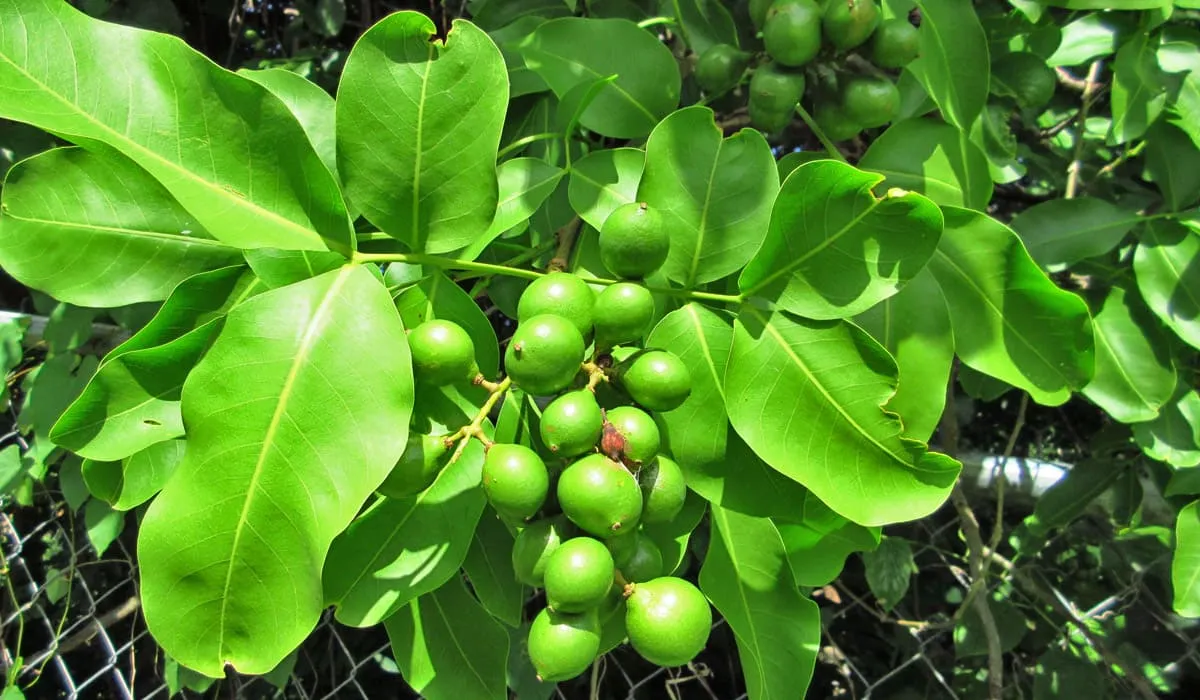
No information is known about the number of varieties. The quenepa tree can reach up to 25 meters in height. It is not strictly a tropical tree, as it can grow up to 1,000 meters above sea level in South America and can withstand several degrees of frost in Florida.
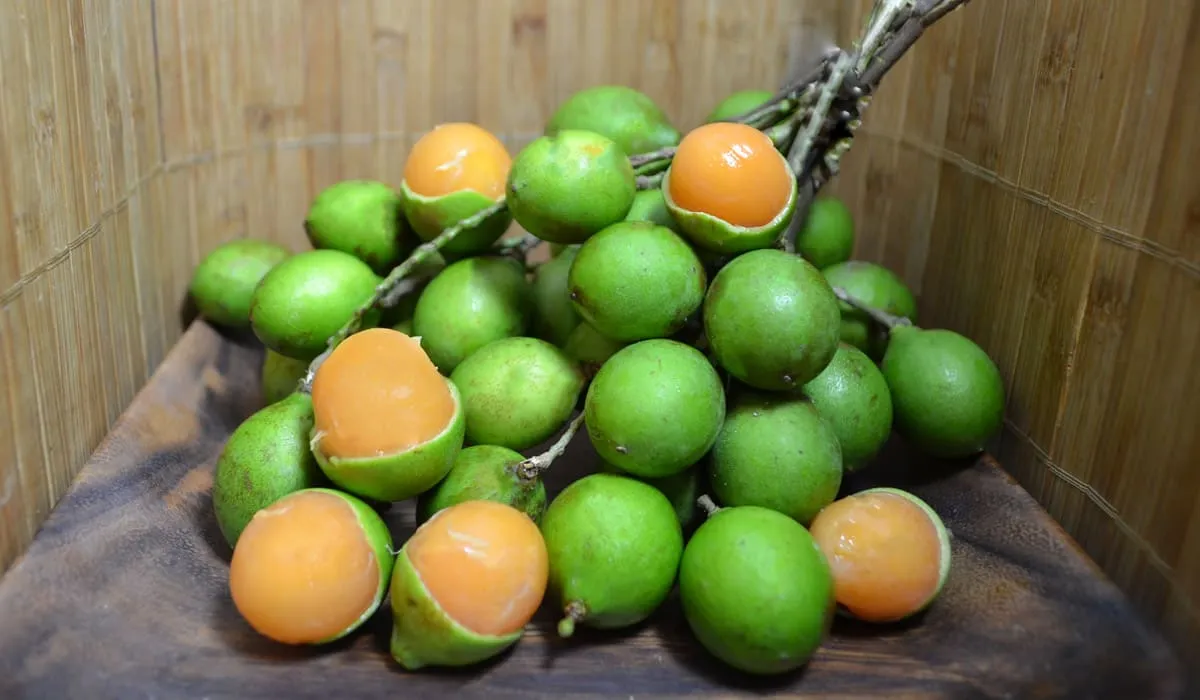
Quenepas grow in clusters and can be harvested from July to October. The fruit measures 2 to 3 cm.
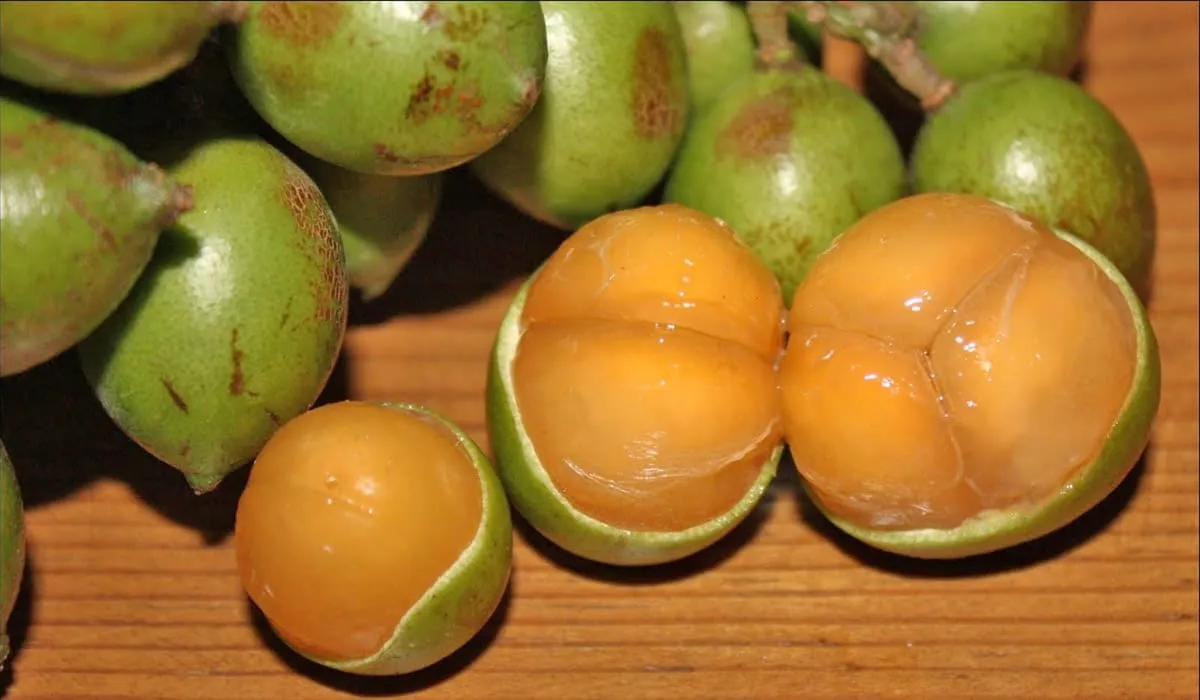
Quenepas are round fruits with a thin green skin that hides an edible salmon‑orange pulp and a large seed. The smooth skin, when freshly picked, gradually becomes brittle over time.
A single quenepa may contain two or even three seeds. The pulp is thin and gelatinous.
The kernel inside the seed is sometimes roasted.
Medicinal properties
Rich in fiber, quenepa helps lower cholesterol and prevents constipation. Its vitamin A strengthens the immune system and helps prevent the formation of kidney stones.
It contains vitamin C, a powerful antioxidant. Its calcium helps keep teeth and bones strong and contributes to cancer prevention. It also plays an important role in digestion and hormone regulation.
In Venezuela, the seeds are roasted, crushed, and mixed with honey. The mixture is then administered to stop diarrhea.
A decoction of its astringent leaves is used as an enema to relieve intestinal pain.
Uses
Quenepa is mainly eaten fresh. It can also be made into juice or jam. The whole fruit, cooked slowly in sugar, is used to prepare a syrup served with rum.